
Kundalini yoga is a powerful system designed to awaken dormant energy within the human body. True transformation, though, does not come from chasing many techniques at once — it comes from practising the right foundations with awareness and consistency. Approached gently, kundalini energy enhances mental clarity, emotional balance and spiritual growth. Rushed, it can feel genuinely overwhelming. That is exactly why foundational practice matters, for beginners and advanced practitioners alike.
01Why Foundational Practice Matters

Kundalini yoga works directly with the nervous system, the endocrine glands, and the subtle energy body. Unlike fitness-based yoga styles, its practices influence consciousness itself — which is exactly why traditional teaching emphasises slow preparation before any deeper activation is attempted.
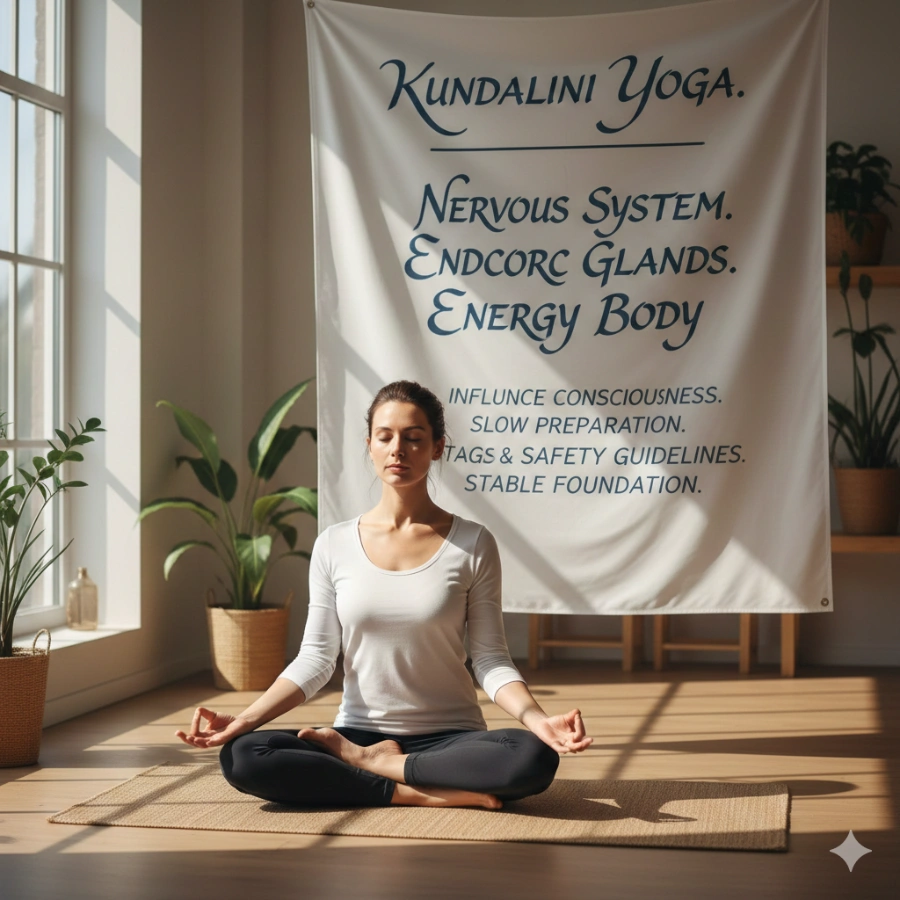
Many of the challenges associated with kundalini awakening arise simply because people skip these basics. If you are new to this path, understanding what kundalini energy really is removes a great deal of fear and confusion before practice even begins, and learning about kundalini awakening stages and safety creates a stable foundation for the long term.
Important: Kundalini energy responds to awareness and balance — never to force or intensity. Patience is not a limitation here; it is the actual method.
02Practice One: Spinal Flexes
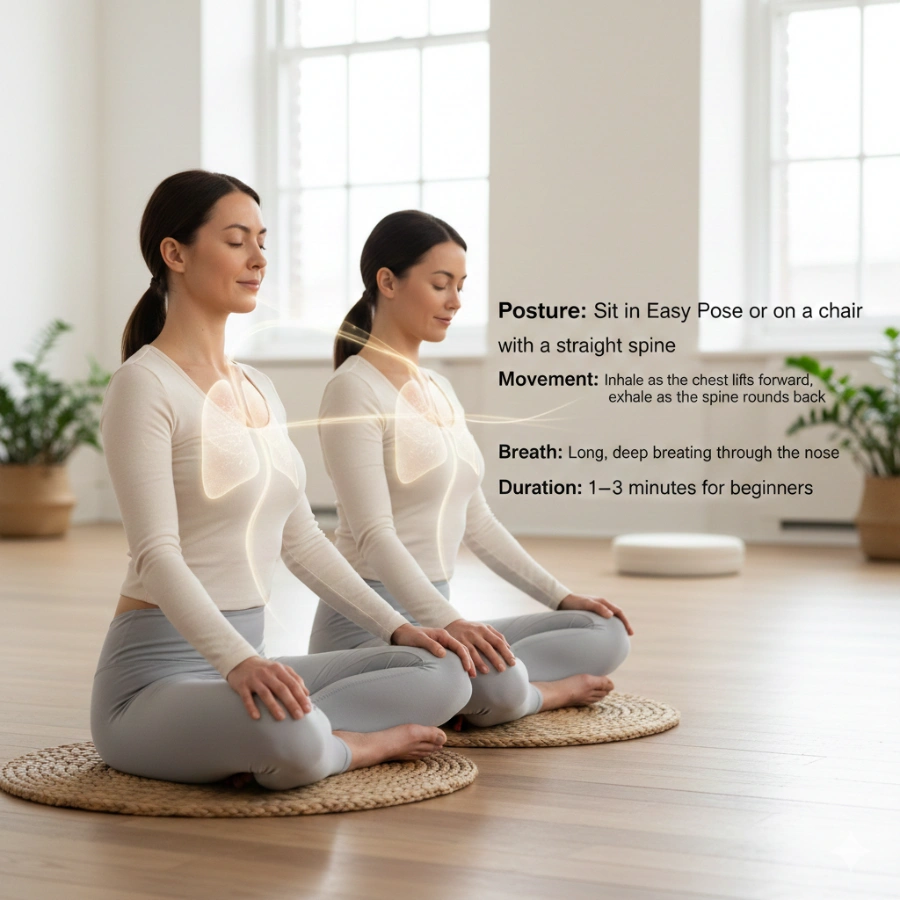
The spine is the primary pathway for kundalini energy. In yogic anatomy, kundalini is said to rise through the sushumna nadi, which runs along the spinal column. Spinal flexes gently awaken this pathway while keeping the nervous system relaxed rather than overstimulated.
To practise: sit in Easy Pose or on a chair with a straight spine, inhale as the chest lifts forward, exhale as the spine rounds back, breathing long and deep through the nose throughout. One to three minutes is plenty for beginners. This movement is commonly used across traditional kundalini kriyas to prepare the body before any deeper energy work.
Practised regularly, spinal flexes activate all the chakras simultaneously, improve spinal flexibility and posture, enhance the circulation of prana, and reduce anxiety and mental stagnation. Many practitioners notice a subtle warmth or gentle tingling along the spine over time — a sign that energy is moving smoothly rather than a cause for concern.
03Practice Two: Long Deep Breathing
Breath is the safest and most powerful tool available in kundalini yoga. Long deep breathing regulates prana, calms the mind, and stabilises kundalini energy before it rises — which is exactly why it is especially recommended for beginners. Unlike more intense pranayama technique, it builds energetic capacity gradually and supports genuine emotional balance rather than pushing the system too fast.
To practise: sit comfortably with a straight spine, inhale by expanding the belly first and then the chest, exhale by relaxing the chest and gently drawing the belly in, for five to eleven minutes. This method is often the very first breathing practice introduced in kundalini yoga for beginners, because it creates safety, clarity and emotional steadiness before anything more advanced is attempted.
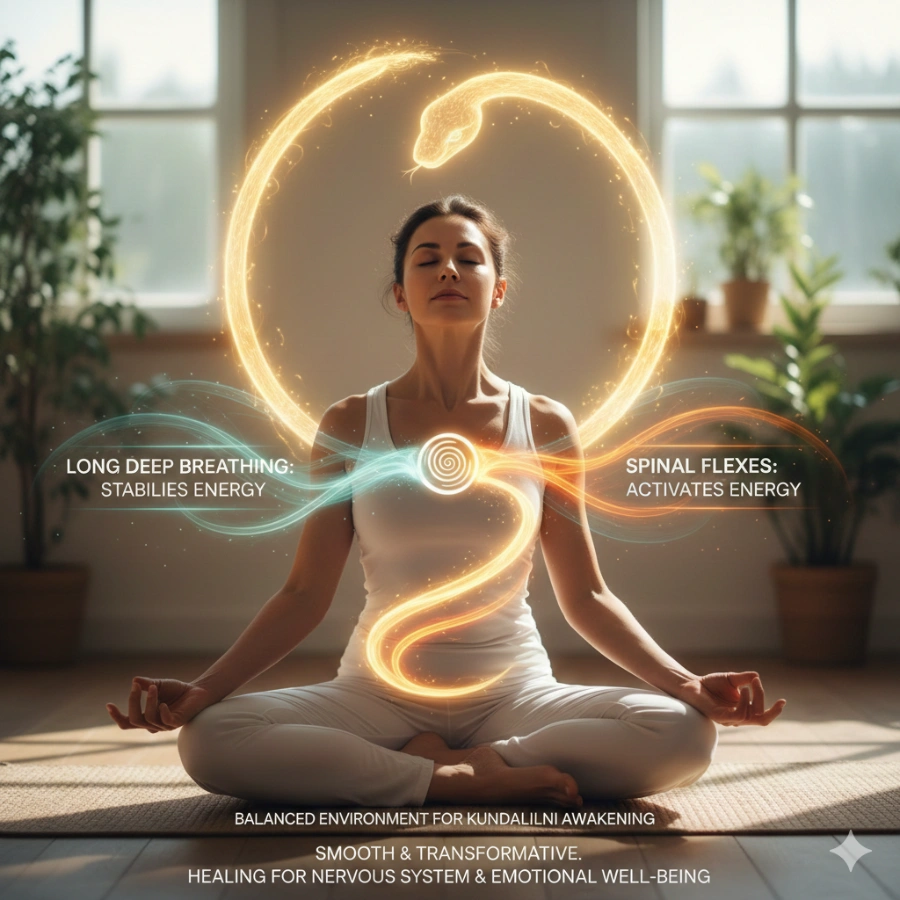
“Spinal Flexes activate energy. Long Deep Breathing stabilises it. Together, they create the balanced ground kundalini awakening actually needs.”
04How These Two Practices Work Together
This balance matters because kundalini energy tends to amplify whatever is already present. When the body and breath are calm, the awakening process unfolds smoothly and transformatively rather than chaotically. These two practices also support the healing effects described in kundalini energy healing, particularly for the nervous system and emotional wellbeing more broadly.
05Daily Practice Guidelines
Practise once daily, ideally in the morning before the day’s noise begins. Start with short durations and increase gradually rather than all at once. Maintain a calm, consistent routine, and avoid practising when you are emotionally or physically exhausted — that is when the nervous system most needs rest, not stimulation. Even ten to fifteen minutes daily can create noticeable shifts within a few weeks of consistent practice.
06Signs You Are Practising Correctly
Correct practice tends to show up as increased calm and mental clarity, improved breathing awareness, gentle energy sensations without discomfort, and real emotional stability and grounding. If discomfort, agitation or insomnia appears instead, reduce your practice time and shift the focus back toward breathing alone until things settle.
07Begin With Awareness
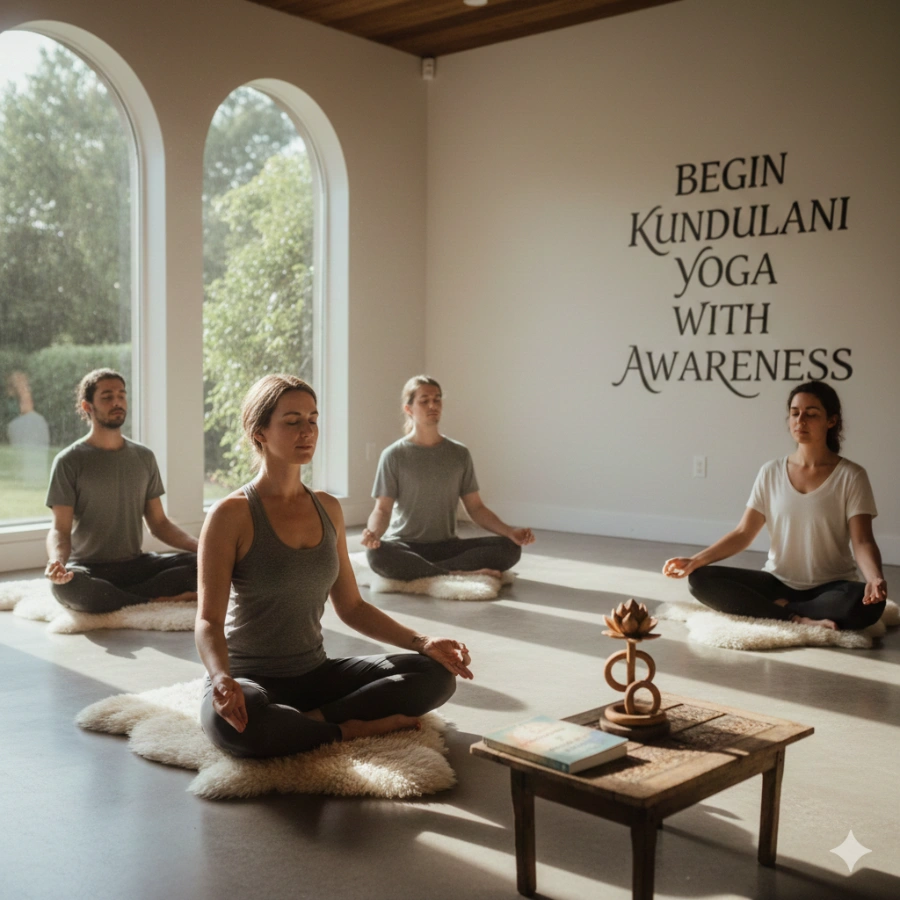
Kundalini yoga is not about chasing dramatic experience. It is about building a stable, conscious relationship with your own energy over time. These two practices — Spinal Flexes and Long Deep Breathing — form the safest and most effective foundation for anyone beginning, or refining, this journey.
As your understanding deepens through study and practice, you may naturally want to explore how kundalini yoga differs from other yoga styles and how to integrate this awareness into daily life more broadly.
The heart of it
- Kundalini energy responds to awareness and balance, never to force.
- Spinal Flexes activate energy; Long Deep Breathing stabilises it.
- Ten to fifteen consistent minutes daily builds a genuinely stable foundation.
- Discomfort or agitation is a signal to slow down, not push through.
Pro tip: consistency matters more than intensity. Let kundalini awaken naturally, through patience and presence.
Reserve Your Seat