

The brain fog is real, and it is not a personal failing. Between constant notification, shallow sleep and a mind rarely given a genuine rest, sustained focus has quietly become one of the harder things to access in an ordinary day. Yoga reaches this problem more directly than most people expect — not through willpower or another productivity hack, but through a specific set of practices that increase blood flow to the brain, calm the nervous system underneath the noise, and train the attention itself the way a muscle gets trained. This is the complete guide to sharpening focus and cutting through brain fog, one practice at a time.
01Why Focus Feels So Hard to Access
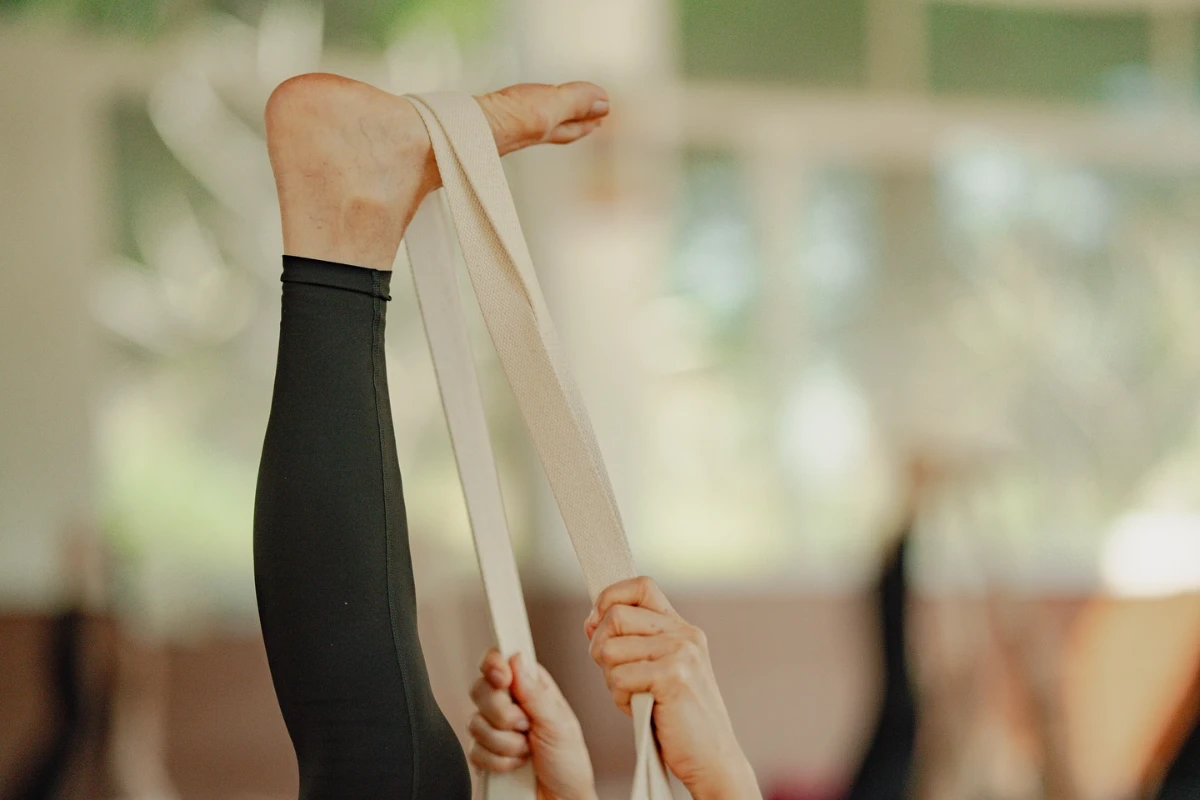
Brain fog rarely has a single cause. Poor sleep, chronic low-grade stress, a nervous system stuck in low-level activation, dehydration, and a mind trained by constant notification to shift attention every few seconds all contribute to the same felt experience: thoughts that will not settle, a sense of wading through static rather than thinking clearly. The good news is that most of these causes respond well to a fairly small set of yogic tools, several of which take less than ten minutes and work within a single session rather than requiring weeks to notice.
02What Yoga Actually Does for the Brain
Physical practice increases cerebral blood flow directly, and a forward fold or a mild inversion in particular sends a fresh supply of oxygenated blood to the brain in a way an ordinary seated day rarely does. Research on yoga and cognition has repeatedly found improvement in working memory, sustained attention and processing speed after a consistent practice, and a slow, controlled breath appears to be doing much of that work — regulating the autonomic nervous system directly rather than acting only as a side effect of movement.
Stress and cognitive clarity sit on the same axis. A sympathetically activated nervous system narrows attention toward threat detection, which is useful for a genuine emergency and actively unhelpful for reading a report or holding a complex idea in mind. Yoga shifts the system toward a parasympathetic state where the prefrontal cortex, the part of the brain responsible for planning, focus and decision-making, can actually do its job without competing for resource against a stress response running in the background.
03Breathing Practices for a Clear Mind

Nadi shodhana, alternate-nostril breathing, is one of the most direct tools available for mental clarity specifically — closing the right nostril, inhaling left for a count of four, closing the left, releasing the thumb, exhaling right for four, then reversing the pattern, continued for five to ten rounds. This practice balances activity between the brain’s two hemispheres and is traditionally described as clearing exactly the kind of mental fog that follows a poor night’s sleep or a stretch of overwork.
Kapalabhati, skull-shining breath, works through rapid, forceful exhalation with a passive inhale in between, practised in short rounds of twenty to thirty pumps. It floods the system with oxygen and produces a fairly immediate sense of alertness, making it well suited to a mid-afternoon slump rather than an evening practice, when the same stimulation would work against sleep instead of for focus.
Bhramari, humming bee breath, works differently again — a long exhale accompanied by a low humming sound, the vibration felt through the skull and sinuses. This practice calms mental agitation specifically, which is often what sits underneath a scattered, foggy focus rather than genuine tiredness, and five to seven rounds before a demanding task tends to settle the mind enough to actually begin it.
04Poses That Sharpen Attention

A standing balance demands focused attention almost by definition — Tree Pose, Eagle Pose, a single-leg balance of any kind requires the mind to stay with the body in the present moment, since attention wandering even briefly shows up immediately as a wobble. This makes a balance pose a genuinely practical training ground for sustained attention, with instant feedback built directly into the practice.
A mild inversion — Downward-Facing Dog, Legs-Up-the-Wall, or, for an experienced practitioner, a supported headstand — increases blood flow to the brain directly, and many people report a noticeably clearer head within minutes of coming out of one. Seated forward folds and Child’s Pose turn attention inward, reducing the visual and mental stimulation that so often keeps focus scattered across everything except the task actually at hand.
Trataka, candle-gazing meditation, deserves particular mention here — a candle flame held steadily in the gaze for several minutes, the eyes then closed to hold the after-image in the mind’s eye. This ancient concentration practice trains single-pointed focus, dharana, directly, and is traditionally considered one of the most effective tools available for cutting through a genuinely persistent mental fog.
05Supporting Clarity Beyond the Mat
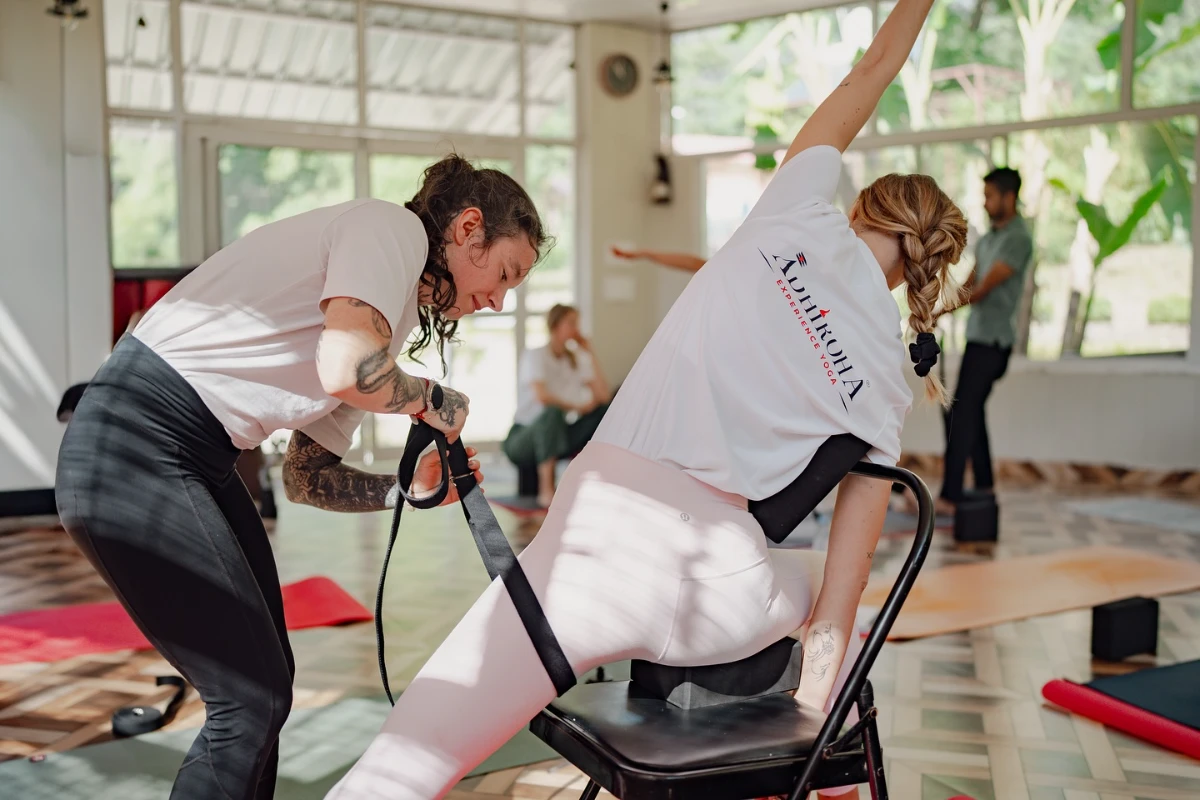
None of the practices above work in isolation from ordinary daily habit. Dehydration alone measurably impairs concentration, and a consistent intake of water through the day supports exactly the cognitive clarity yoga is also working toward. Sleep is the foundation underneath all of it — no amount of pranayama fully compensates for a chronically short night, though an evening wind-down practice does make falling asleep considerably easier.
A short, structured break every ninety minutes or so, built around a few minutes of movement or breath rather than another scroll through a phone, prevents the kind of accumulated mental fatigue that no single technique reverses easily once it has set in. And a regular meditation practice, even five or ten minutes daily, trains the attention the way regular exercise trains a muscle — gradually, with the real benefit showing up over weeks rather than within a single session.
06A Simple Daily Sequence for Focus
A workable fifteen-minute sequence for mental clarity: two minutes of nadi shodhana to open the practice and balance the nervous system; five minutes moving through Cat-Cow, Downward Dog and a standing balance to increase circulation and engage attention directly; three minutes of bhramari to settle any residual agitation; and five minutes of seated trataka or simple breath-focused meditation to close. Practised consistently before a demanding stretch of work, this sequence addresses the physiological and attentional sides of brain fog together rather than treating either alone.
If fifteen minutes is not available, two minutes of nadi shodhana alone, done consistently before a demanding task, produces a genuinely noticeable difference in focus within the first week.
“Brain fog is not a personal failing. It is a nervous system asking, quite reasonably, for exactly what yoga is built to provide.”
The heart of it
- Brain fog usually has several compounding causes — poor sleep, chronic stress, dehydration — not one single culprit.
- Alternate-nostril breathing, skull-shining breath and humming bee breath each sharpen focus through a different mechanism.
- A standing balance pose trains sustained attention directly, with a wobble as instant feedback the moment focus slips.
- Trataka, candle-gazing meditation, is one of the most effective traditional tools for cutting through persistent mental fog.
Sharpen focus and cut through brain fog, guided by experienced teachers.
Reserve Your Seat